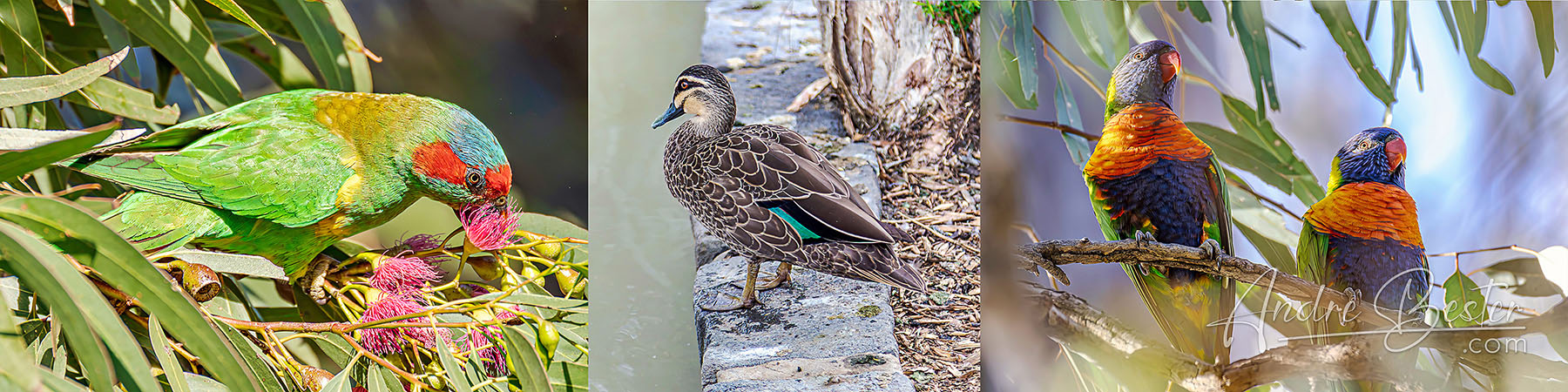
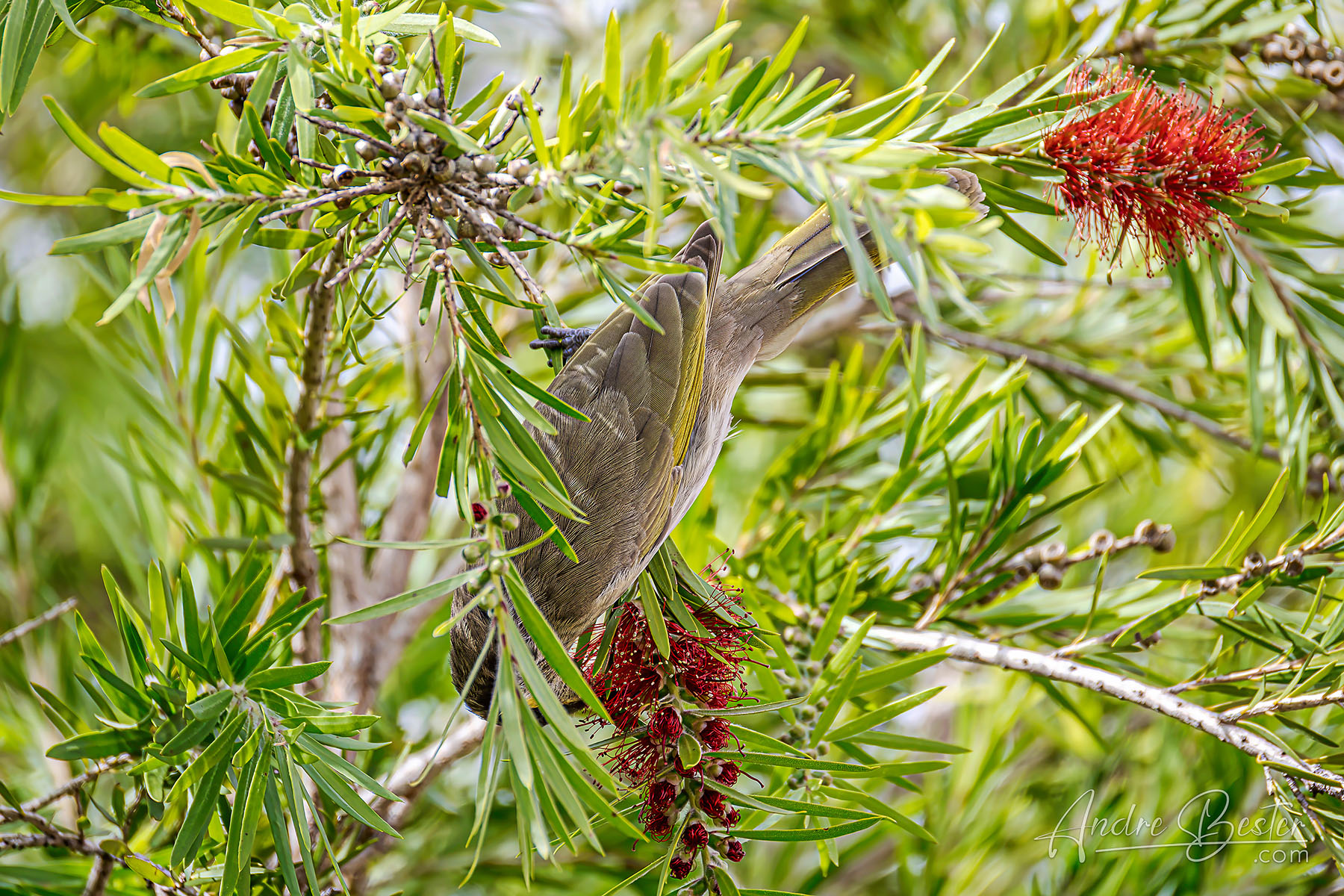
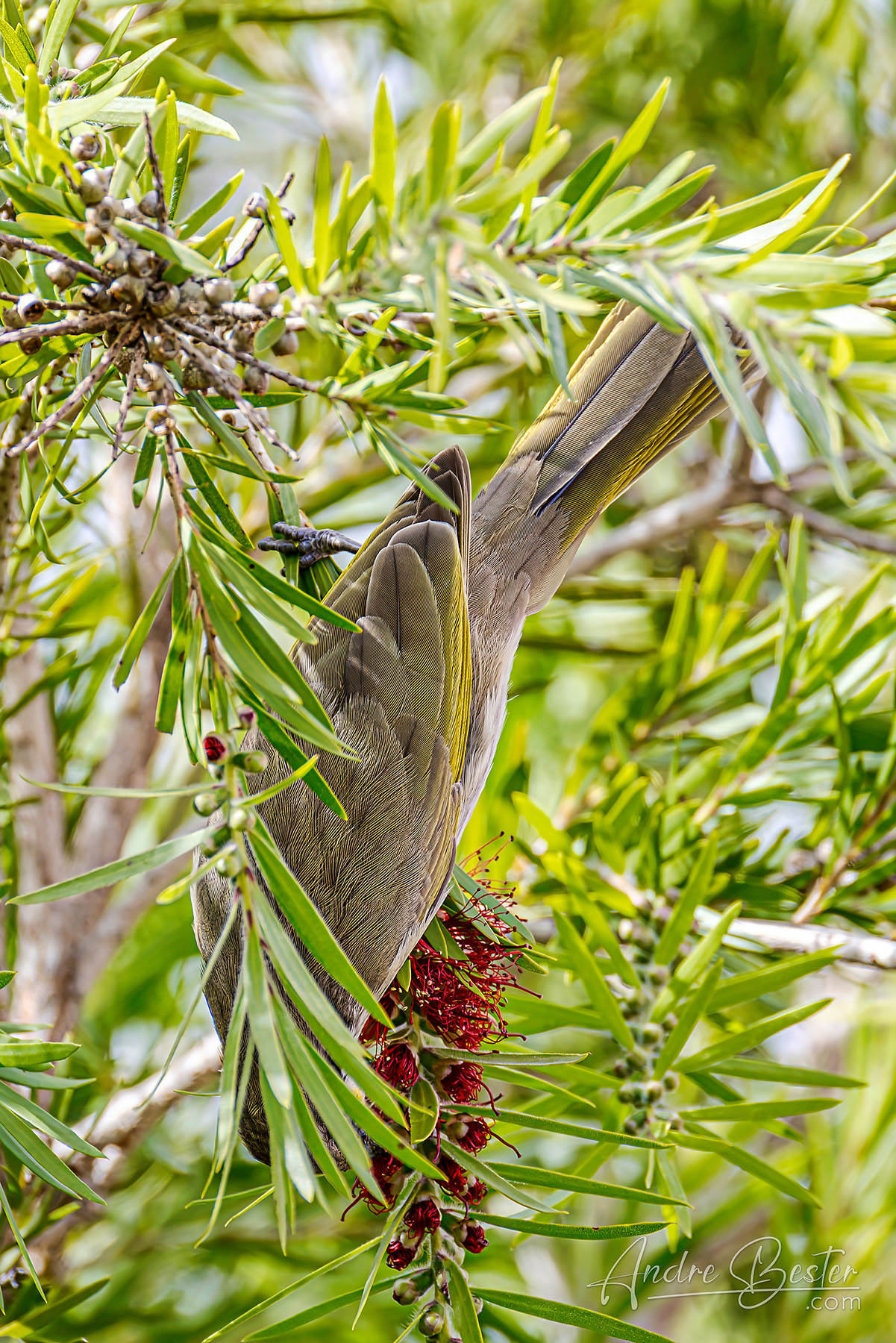
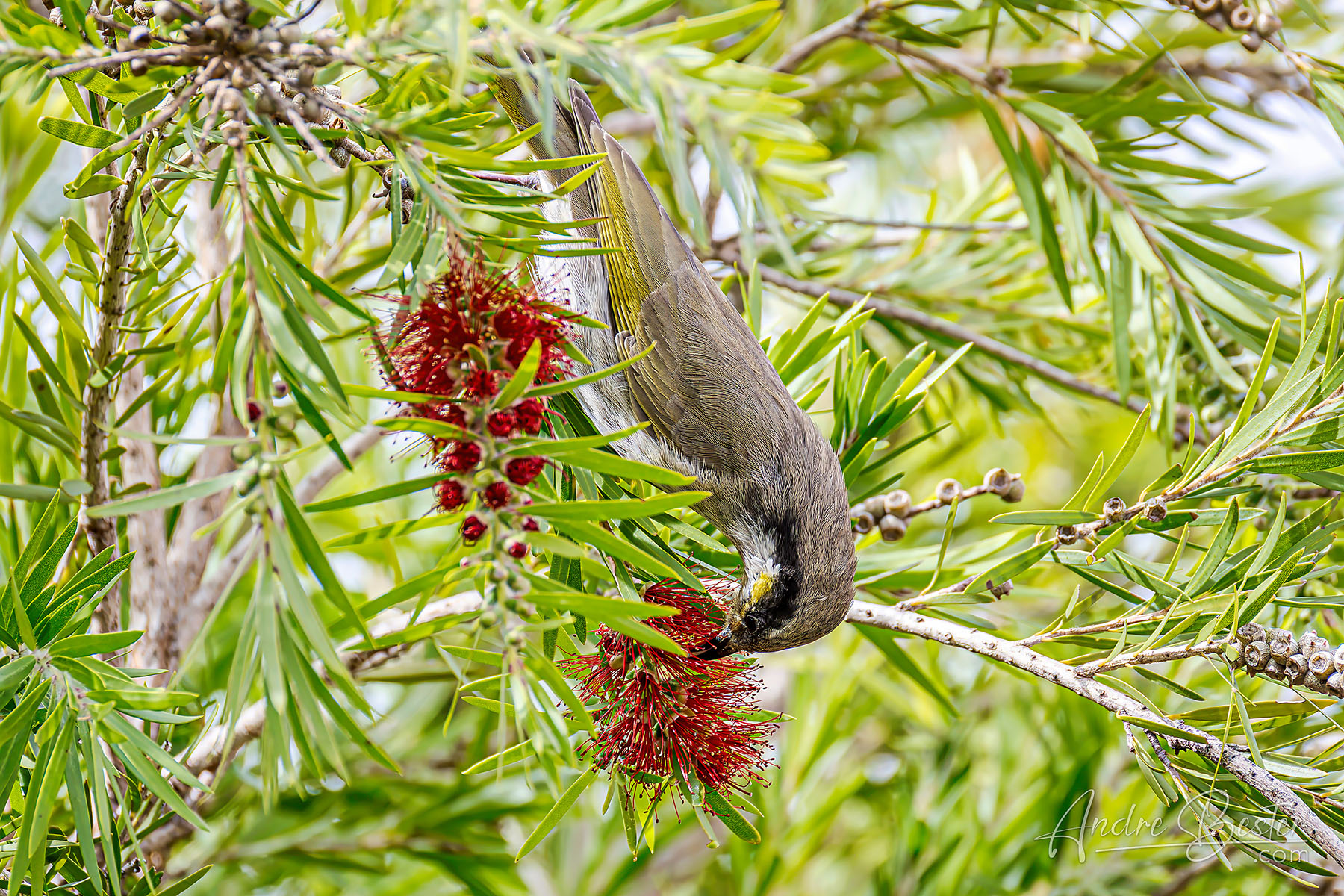
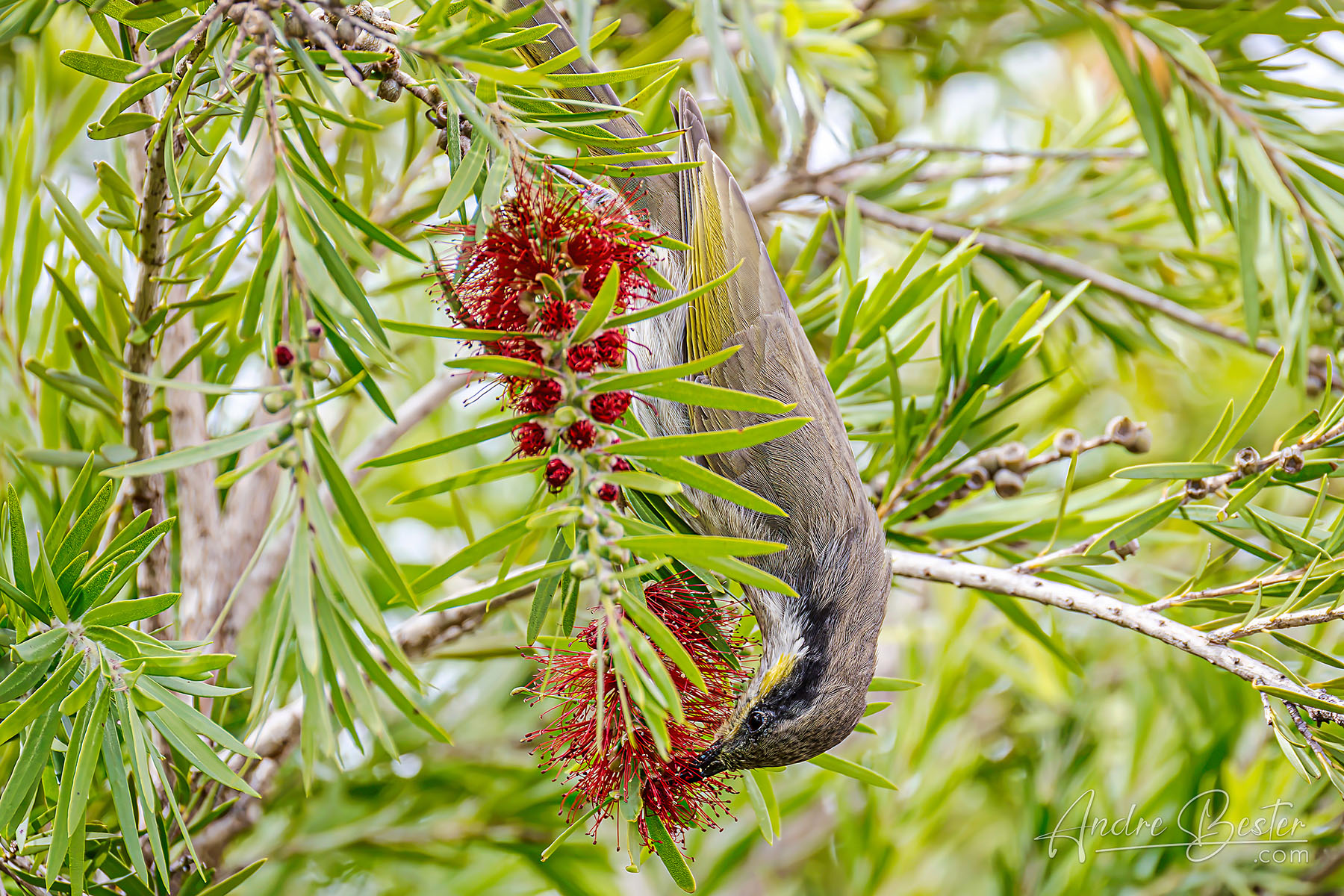
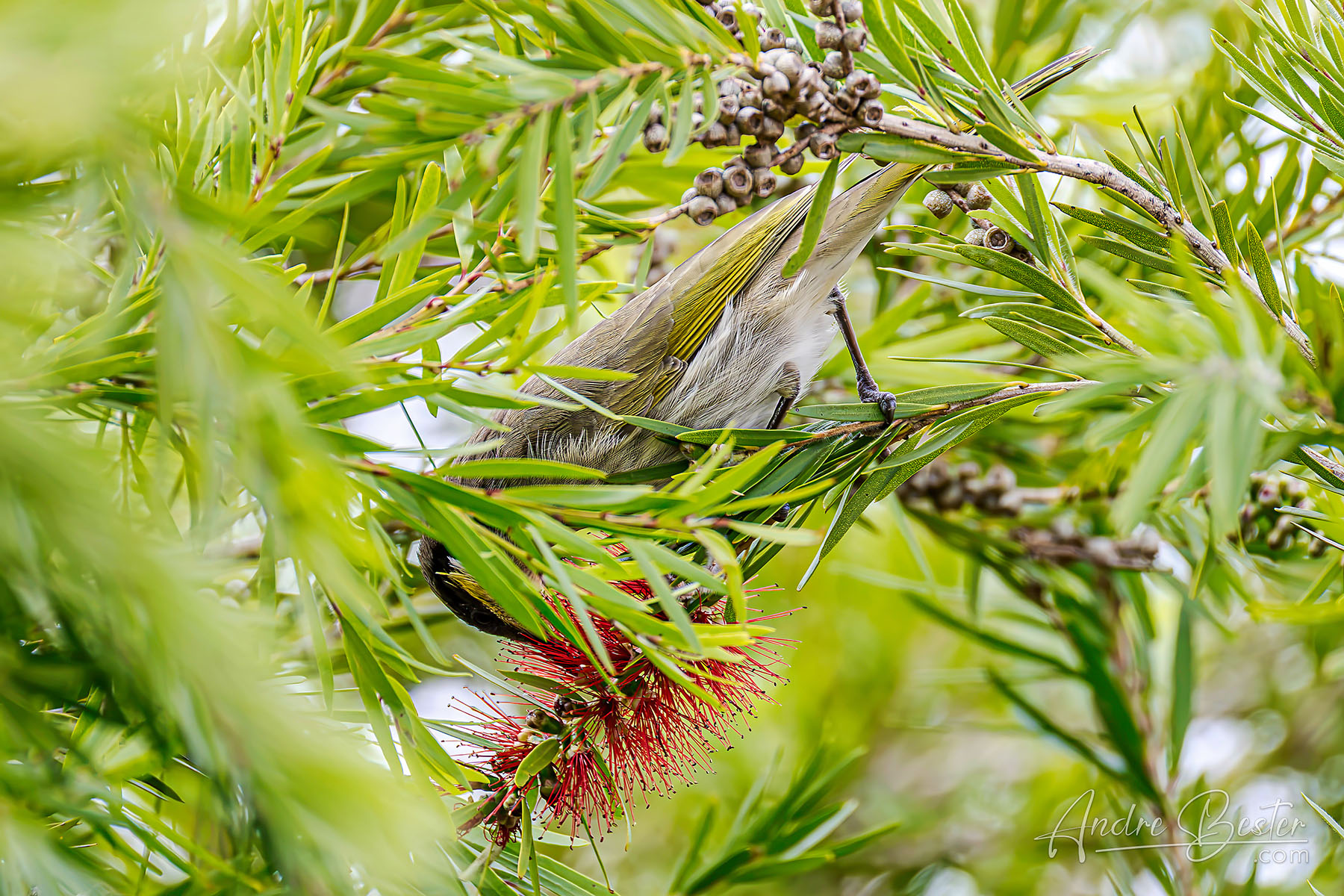
I took photos of a Purple-crowned Lorikeet, a small parrot native to Australia. It is found mainly in areas with flowering eucalyptus trees, where it feeds on nectar and pollen using its brush-tipped tongue. These birds may also feed on fruit and move between trees in search of food. Their presence is linked to flowering patterns, which influence where they gather.
The Pacific Black Duck is a waterbird commonly found across Australia. It lives in rivers, lakes, wetlands and ponds, where it feeds on aquatic plants, seeds and small invertebrates. The species has patterned brown feathers and a green patch on its wings that is visible during flight. Pacific Black Ducks often gather in groups and are well adapted to both natural waterways and urban wetlands.
The Rainbow Lorikeet is a parrot native to eastern Australia. It is often found in parks, gardens and woodlands, where flowering trees provide food. Rainbow Lorikeets feed mainly on nectar and pollen, using their brush-tipped tongues to collect food from flowers. They also eat fruit and often travel in flocks between feeding sites.
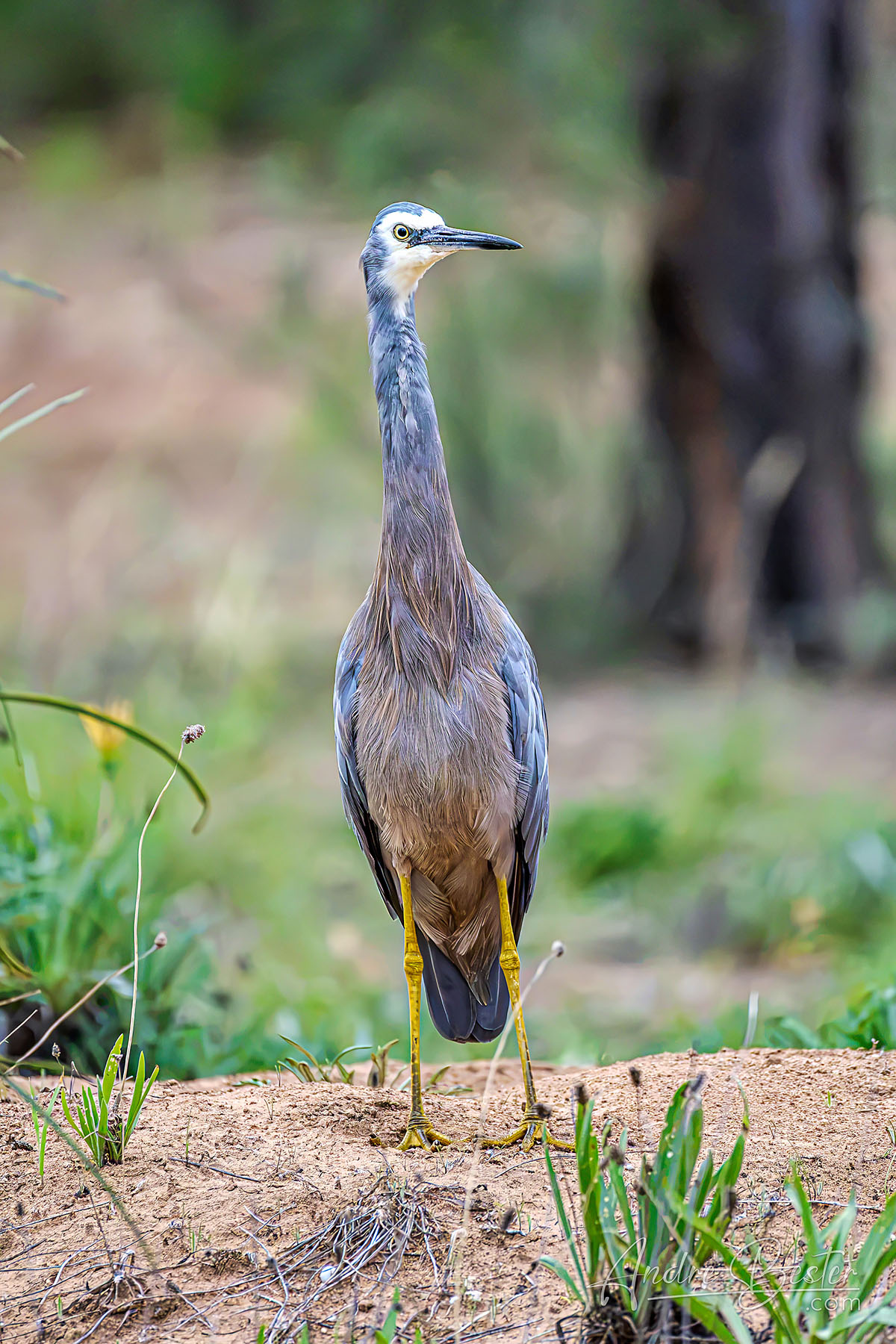
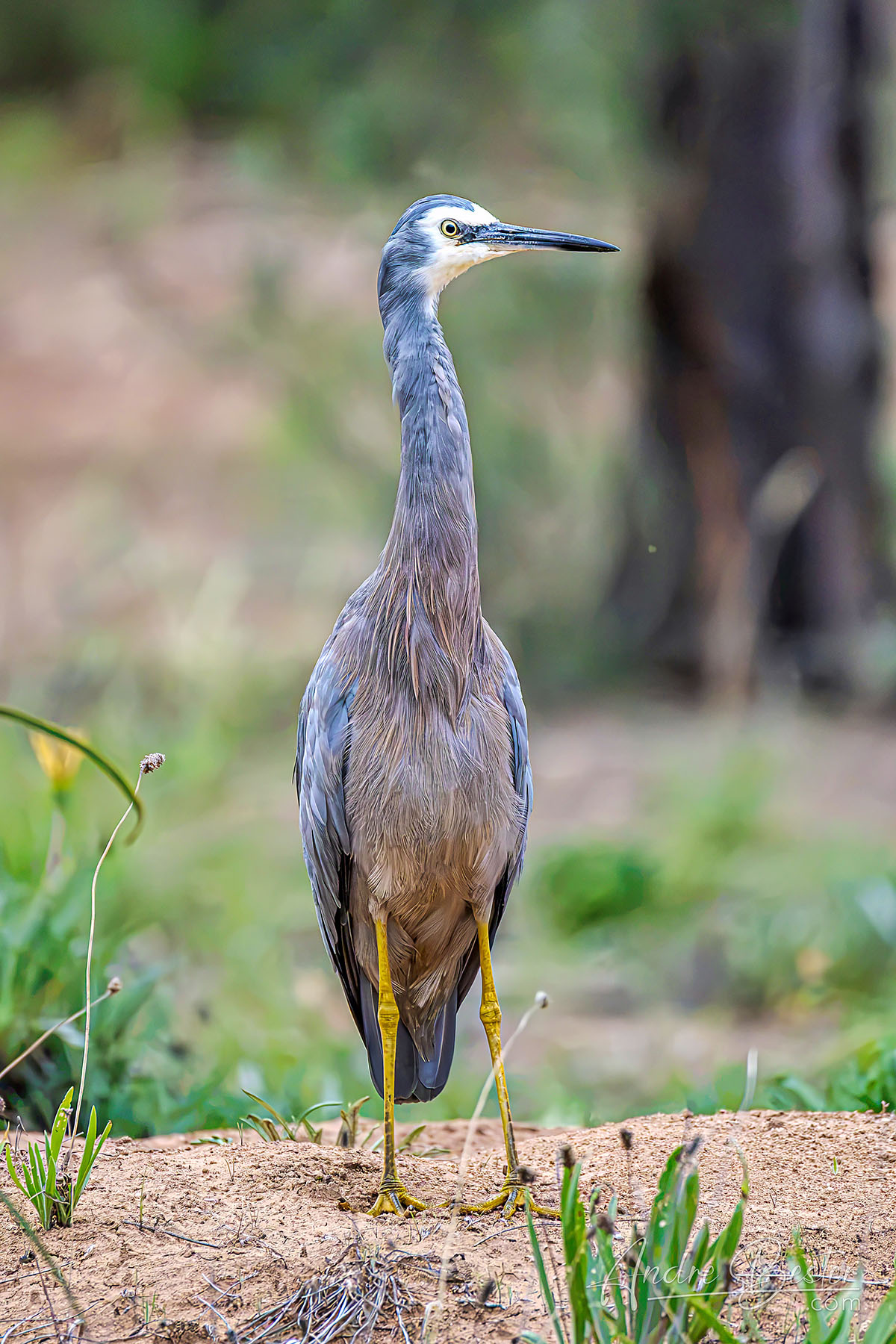
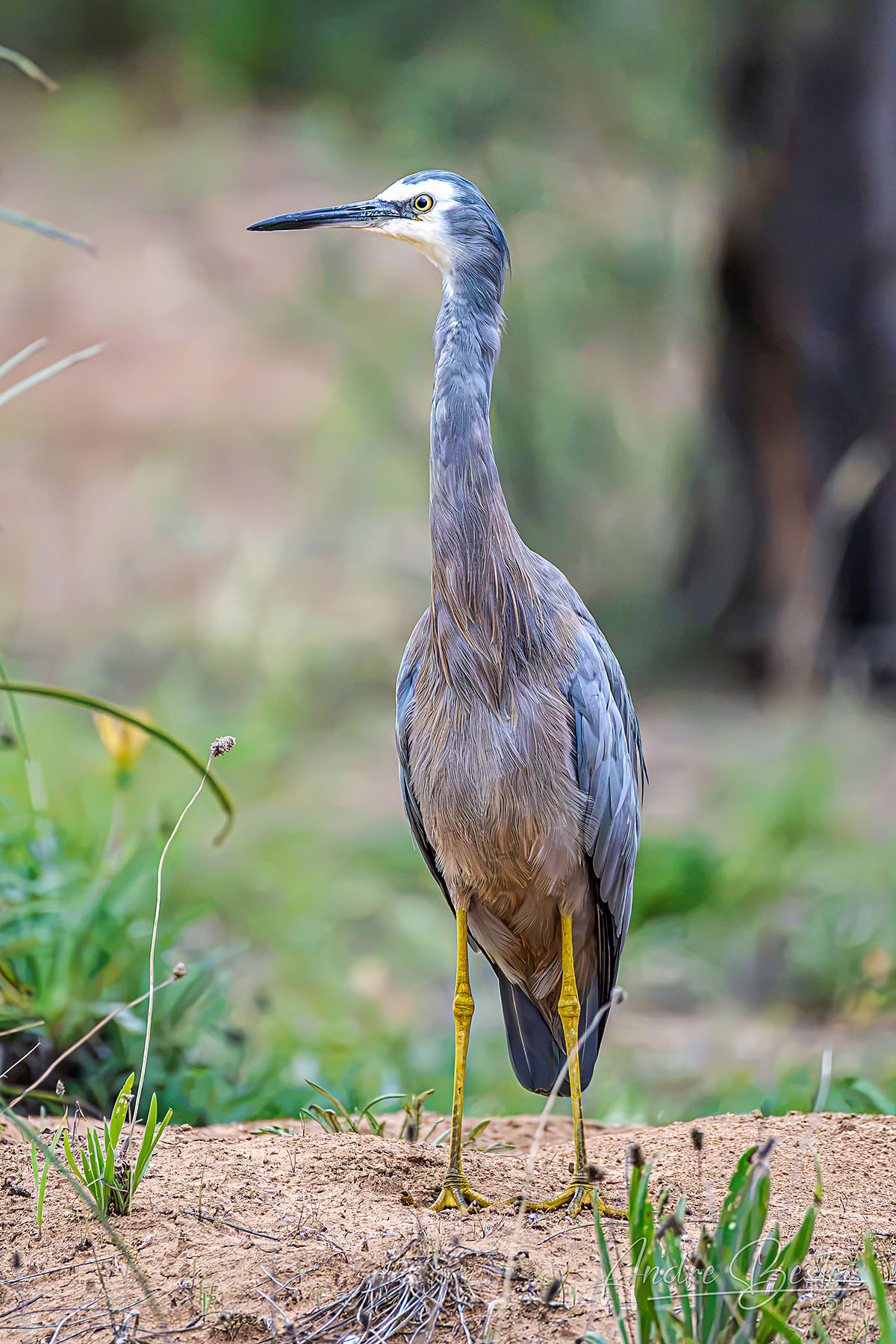
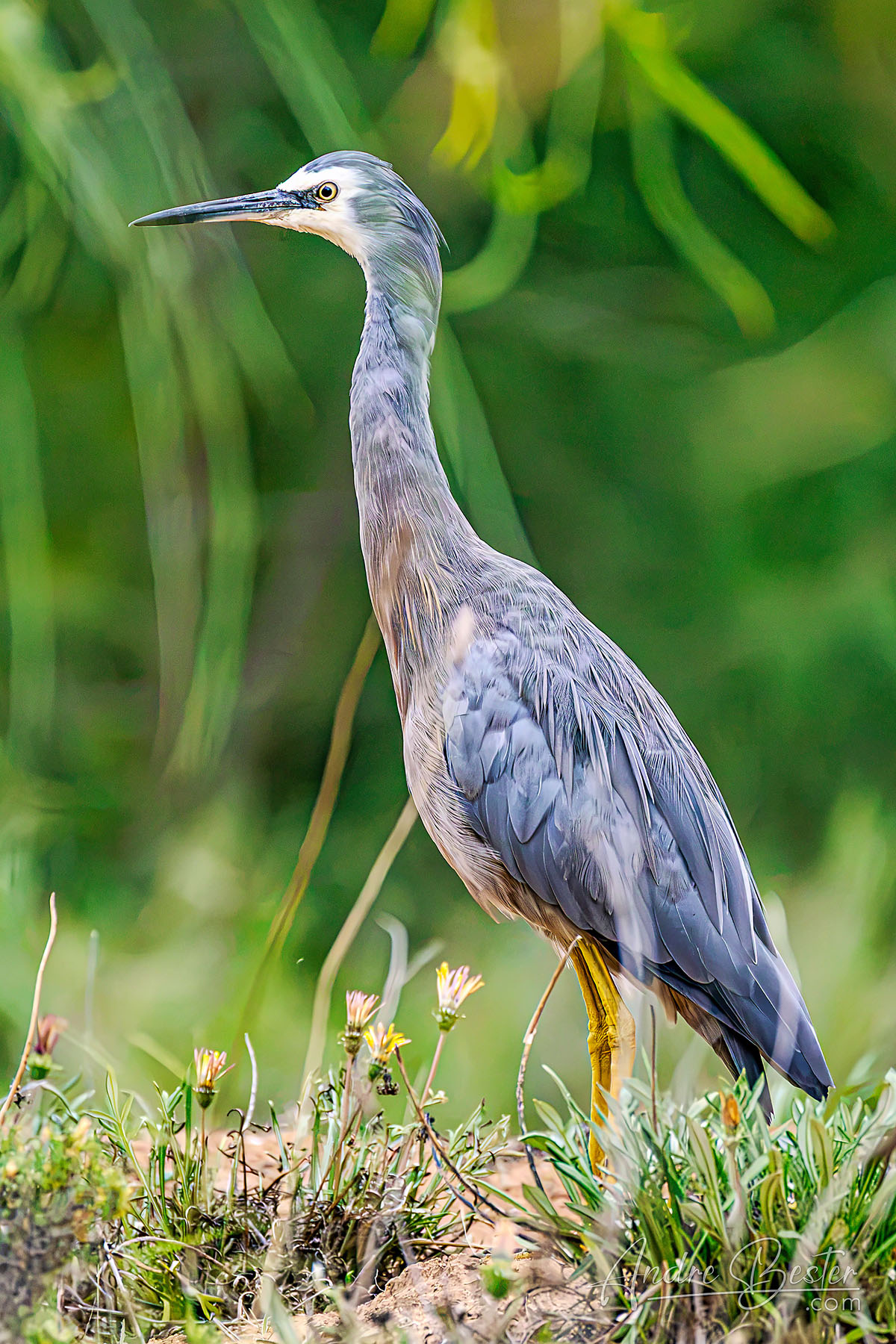
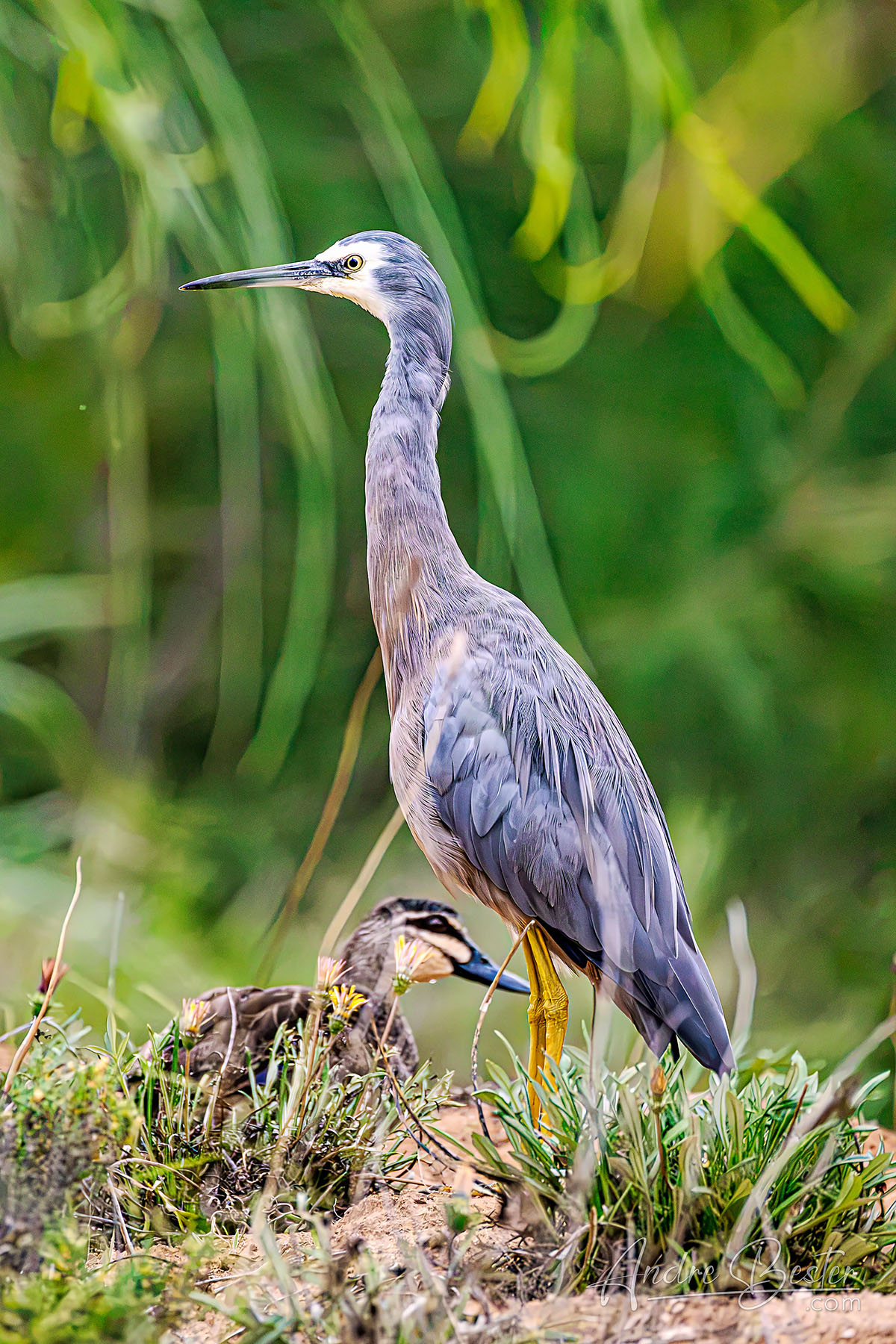
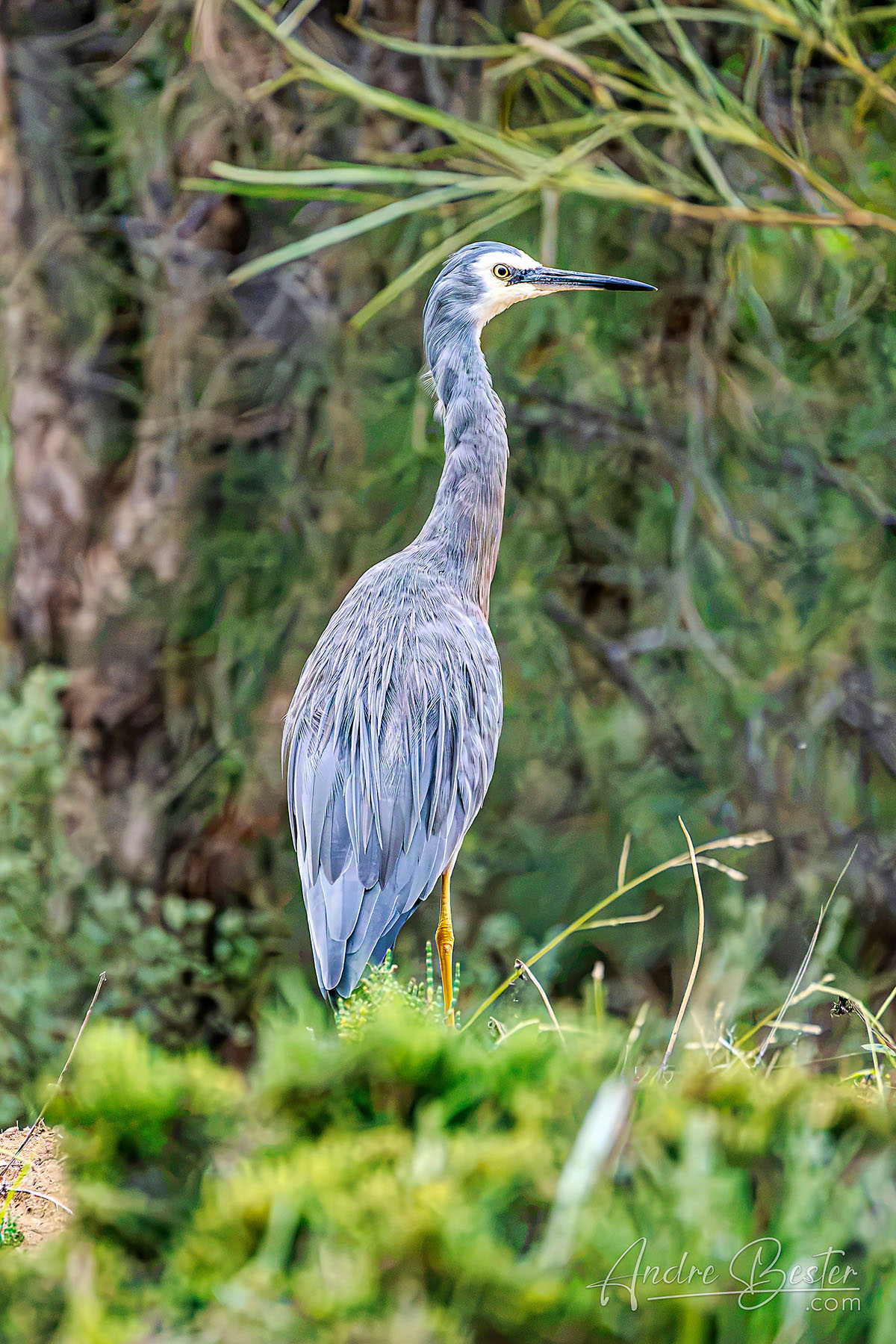
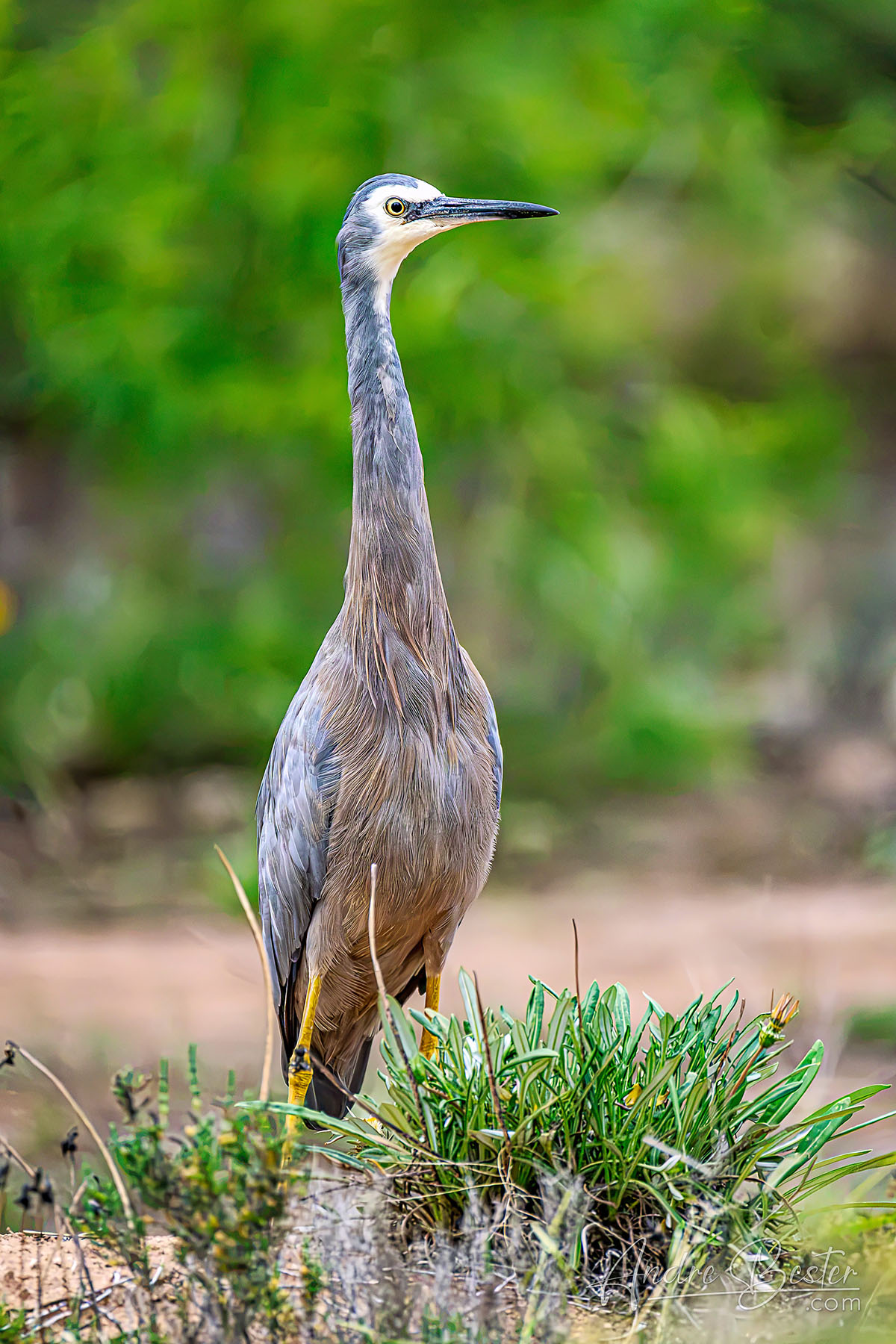
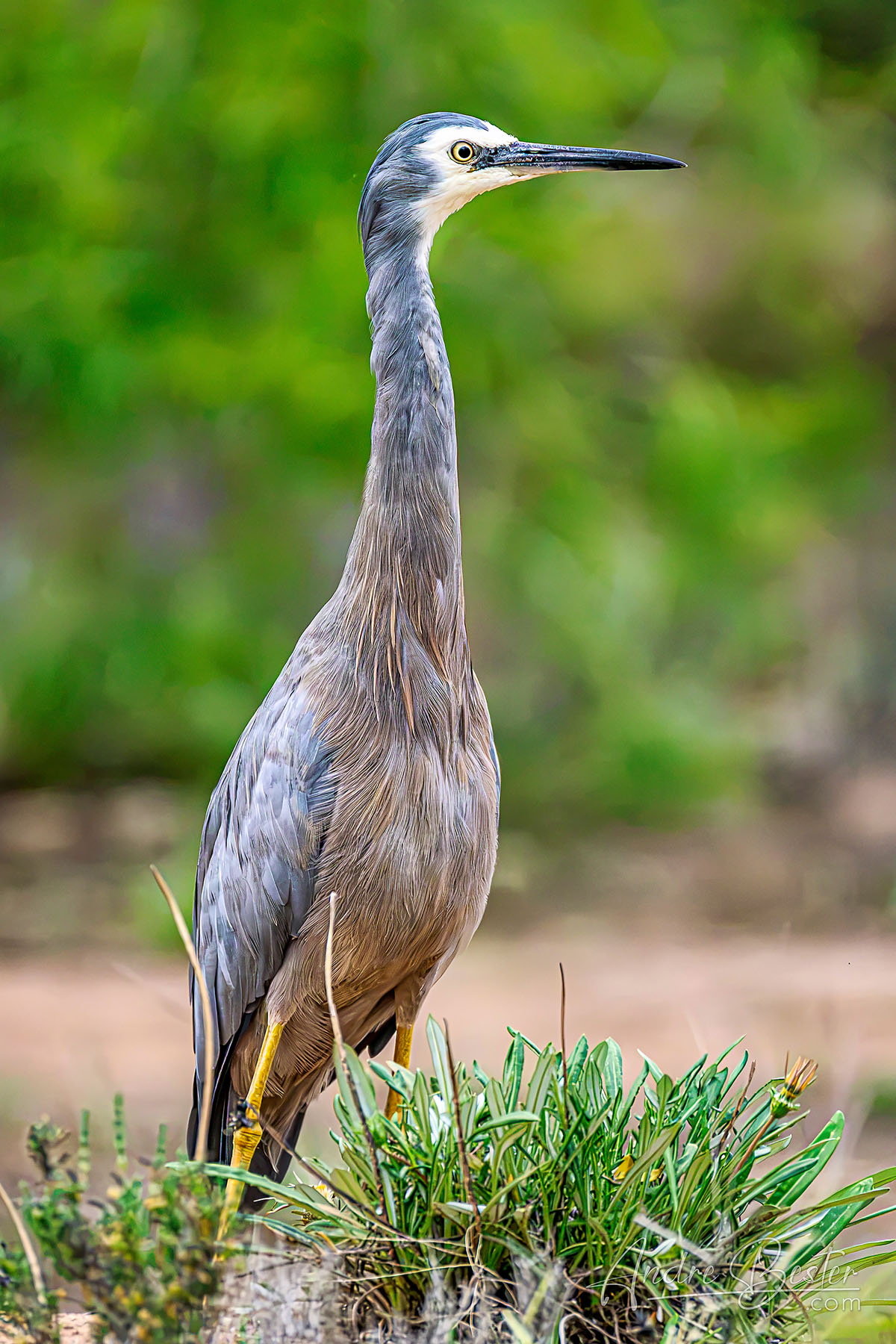
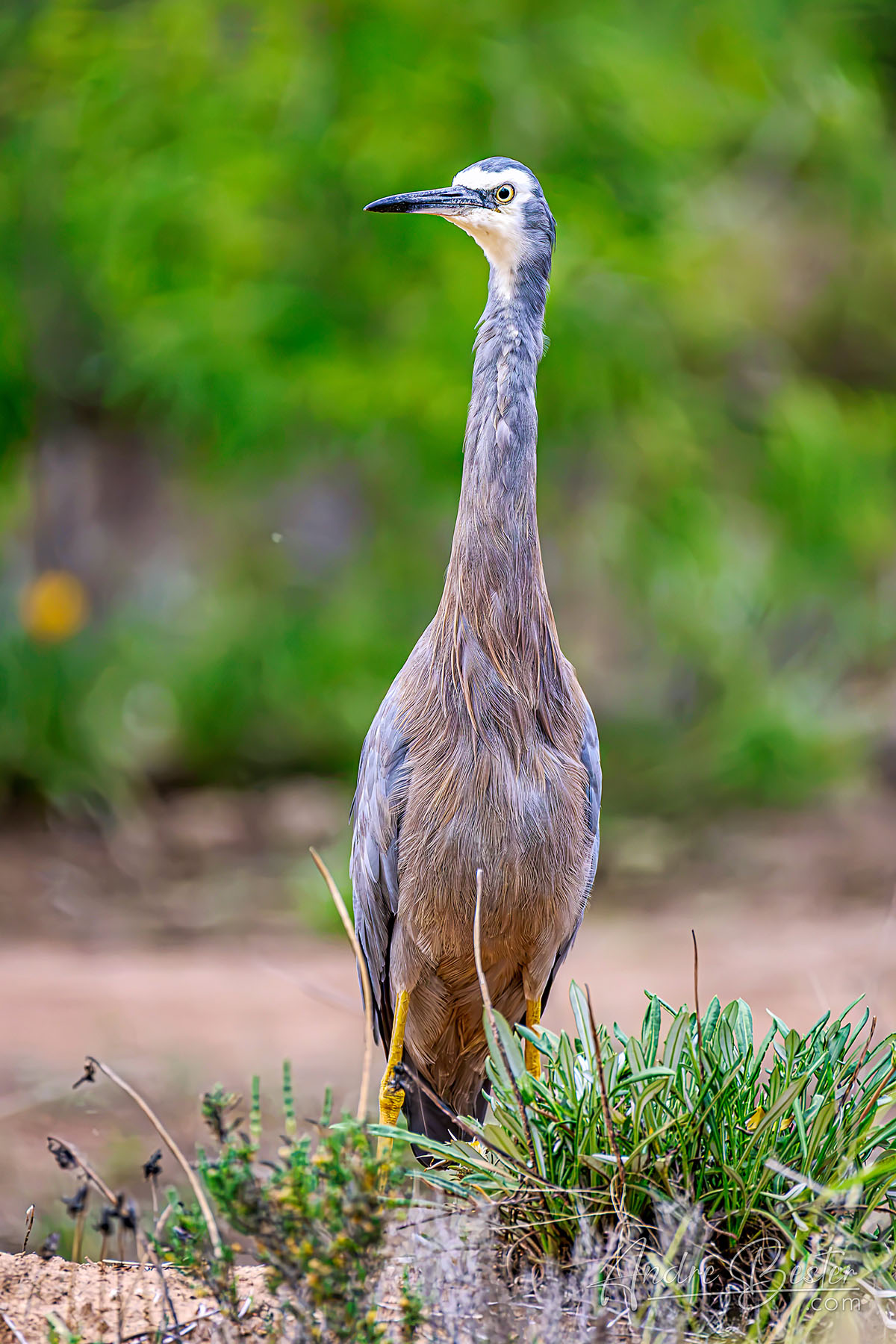
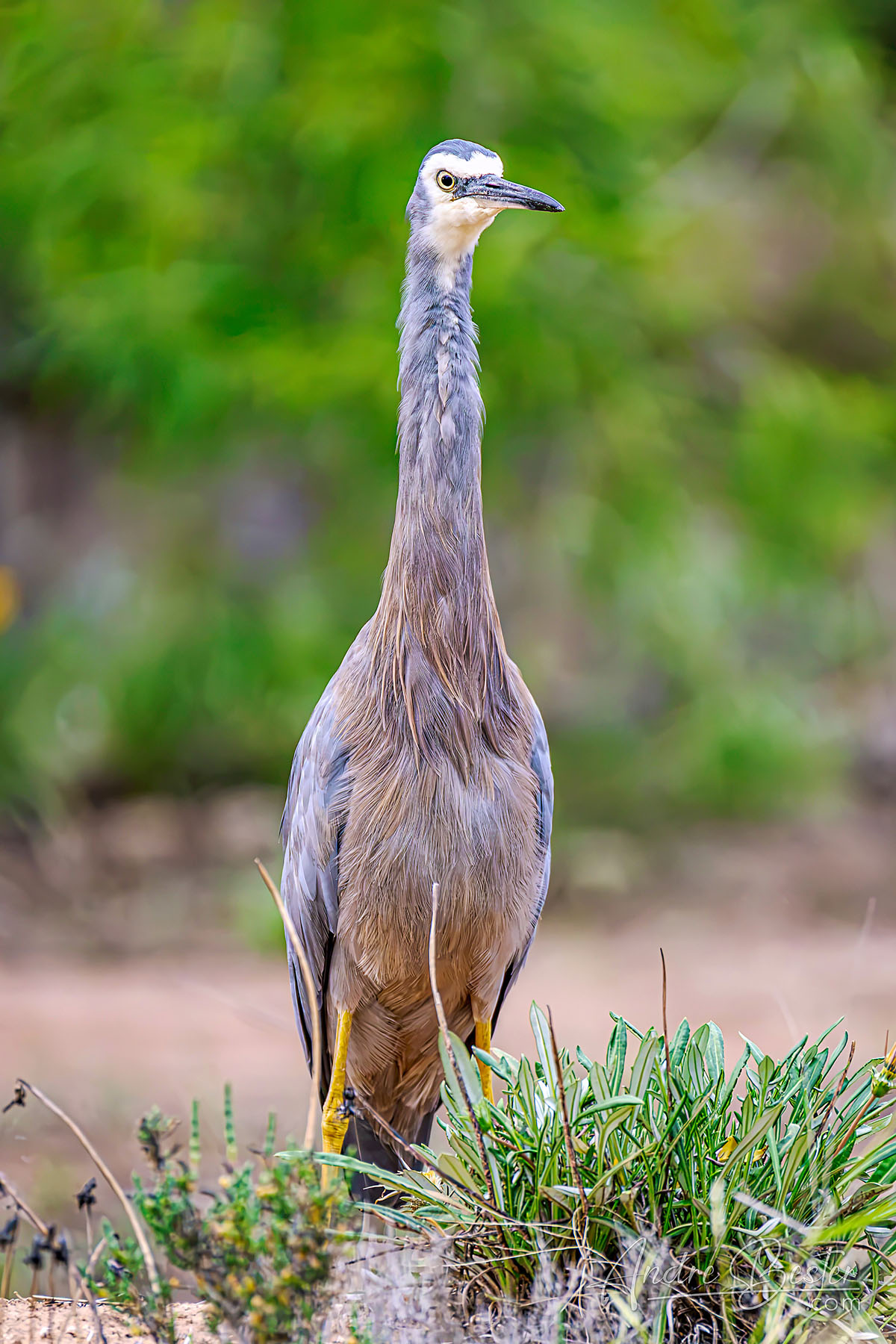
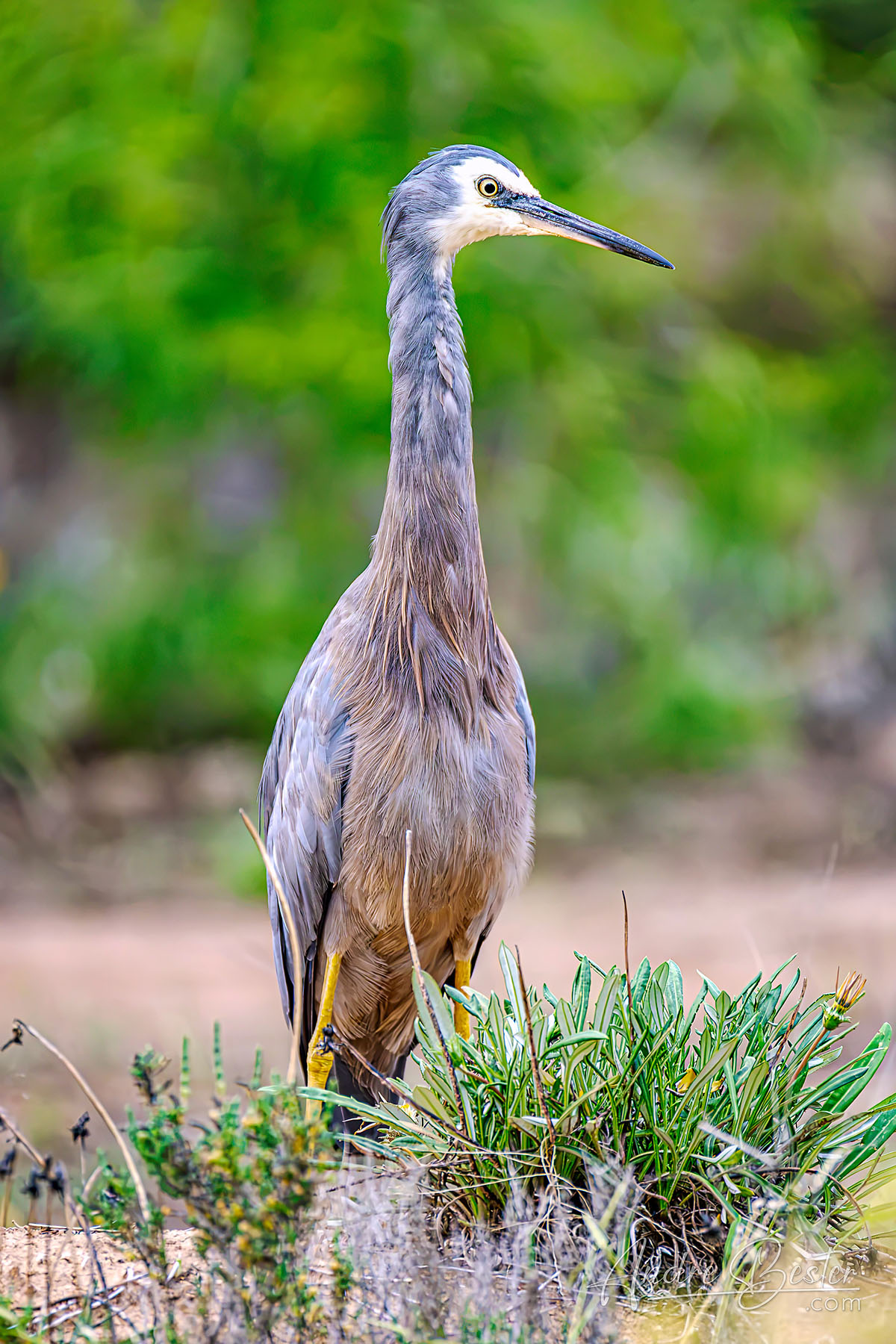
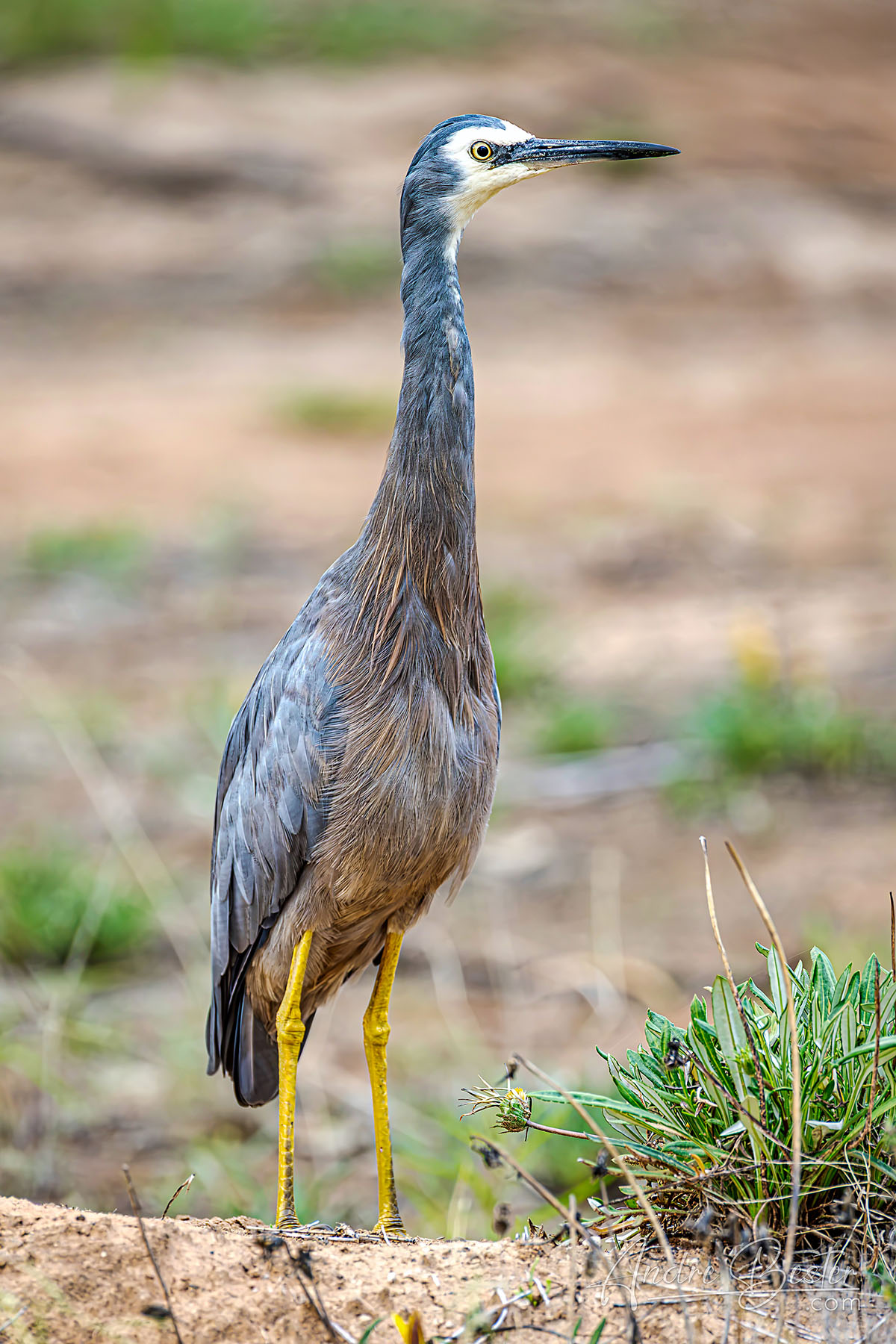
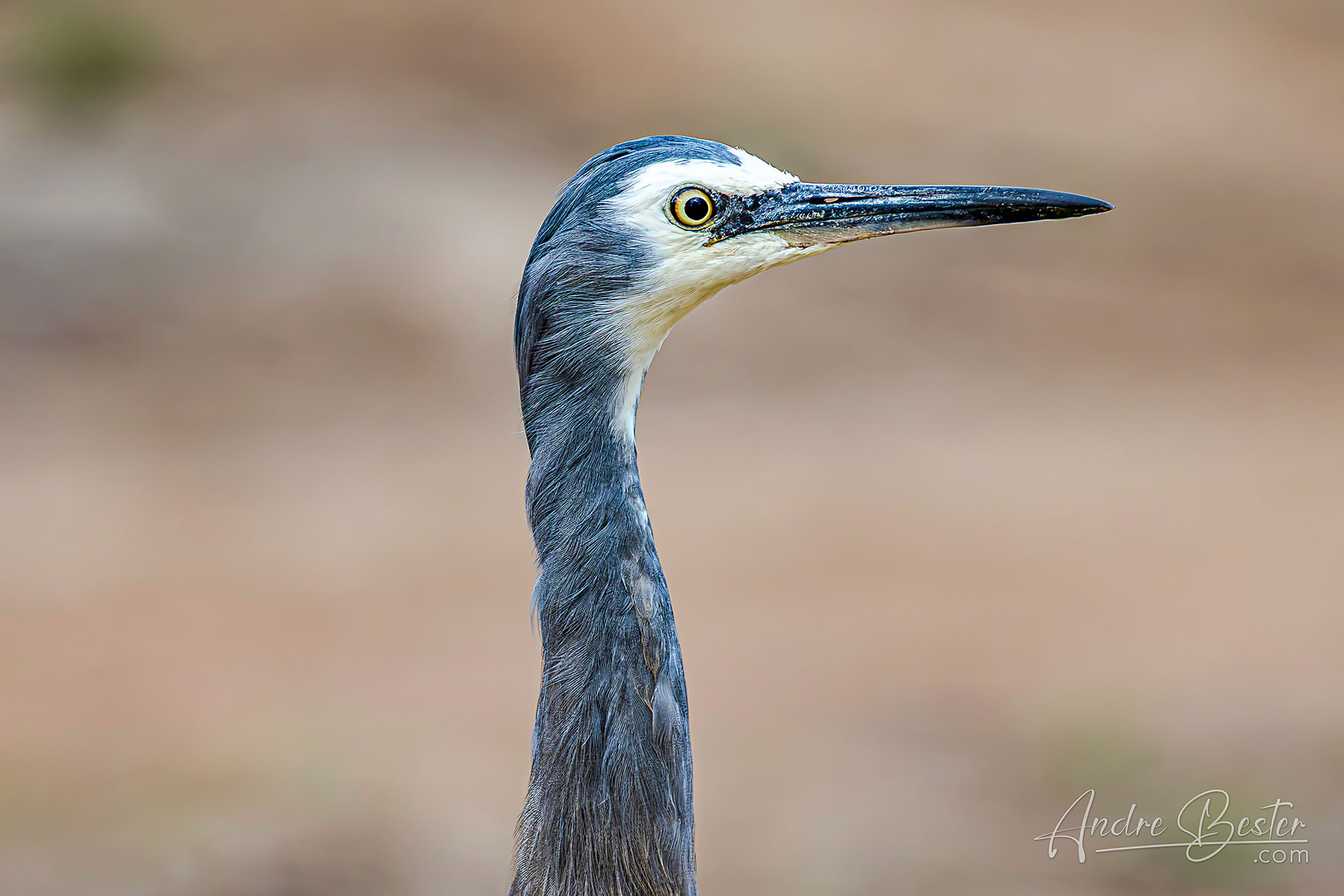
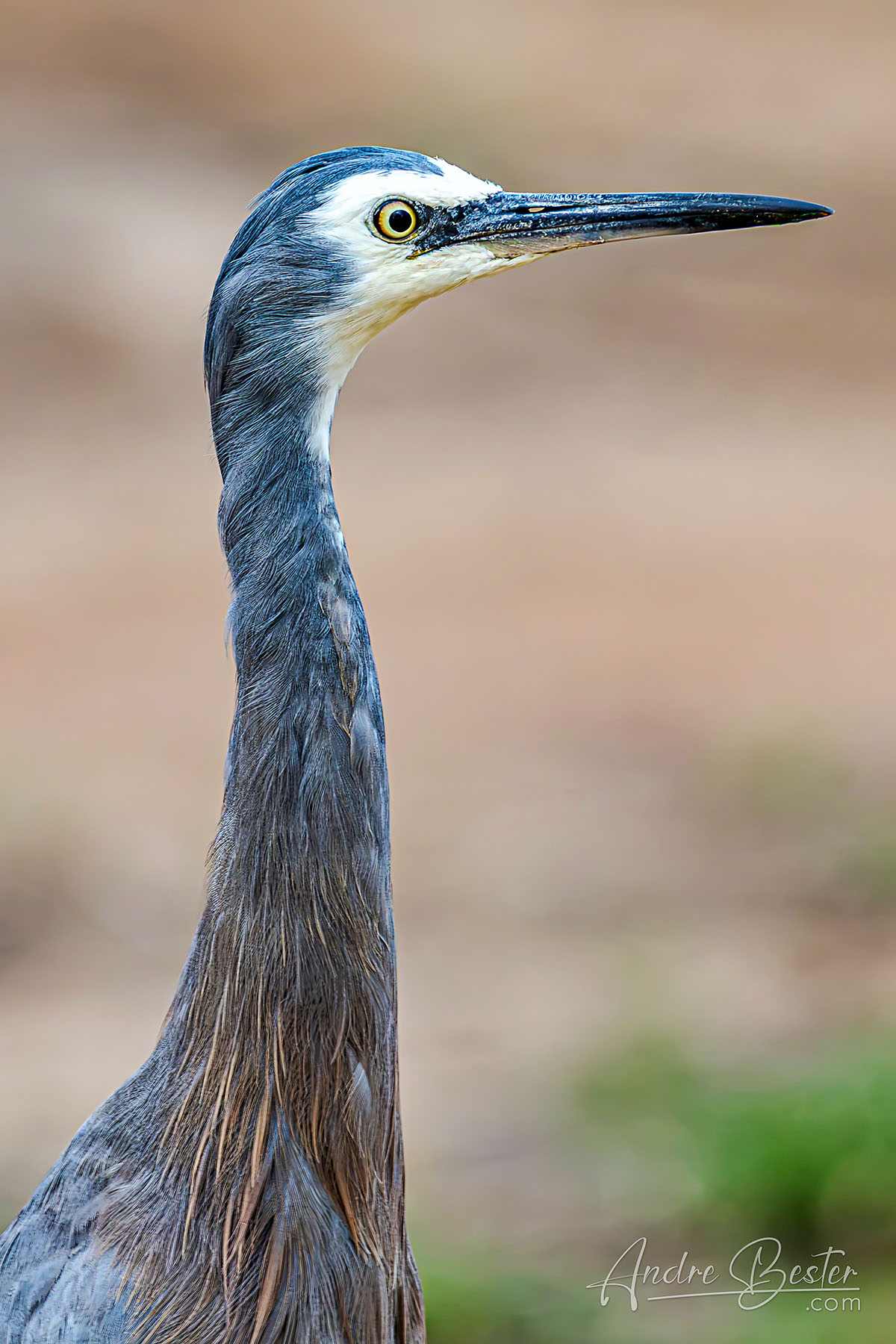
The White-faced Heron is a wading bird commonly found across Australia. It lives around rivers, lakes, wetlands and coastal areas, where it searches for fish, insects, frogs and other small animals. The heron uses its long legs to walk through shallow water and its pointed bill to catch prey. It can also be seen in farmland and urban areas where water is available.
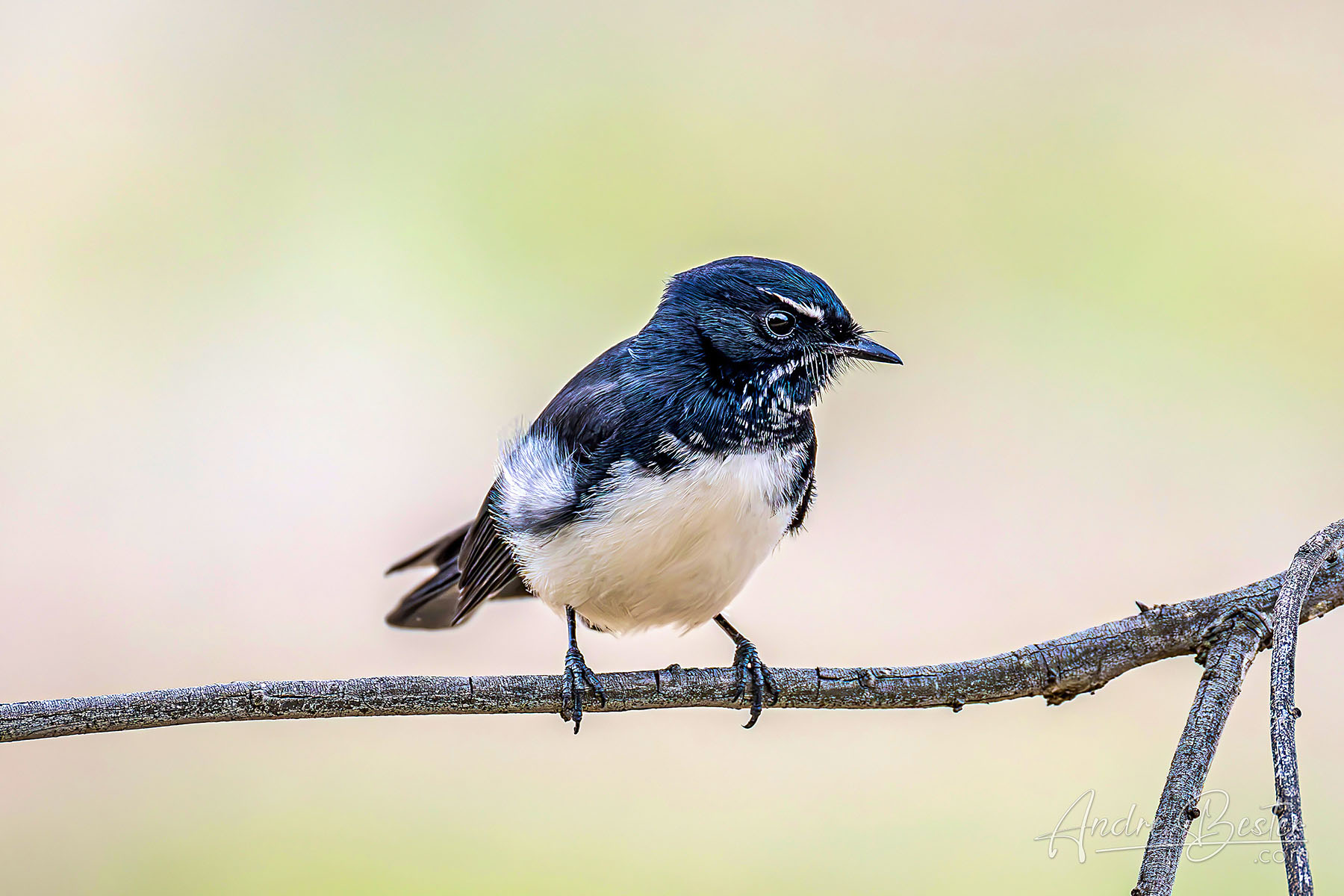
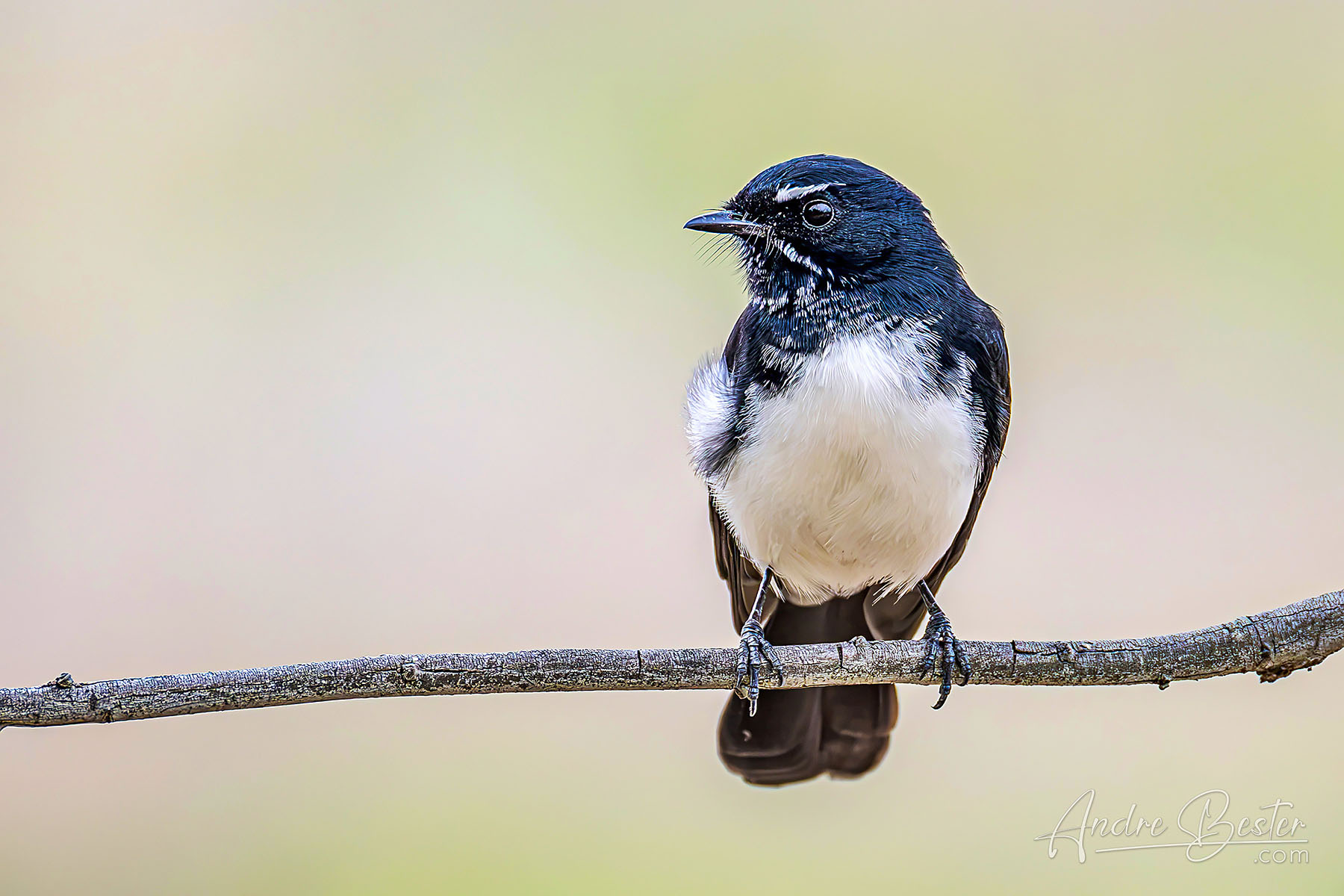
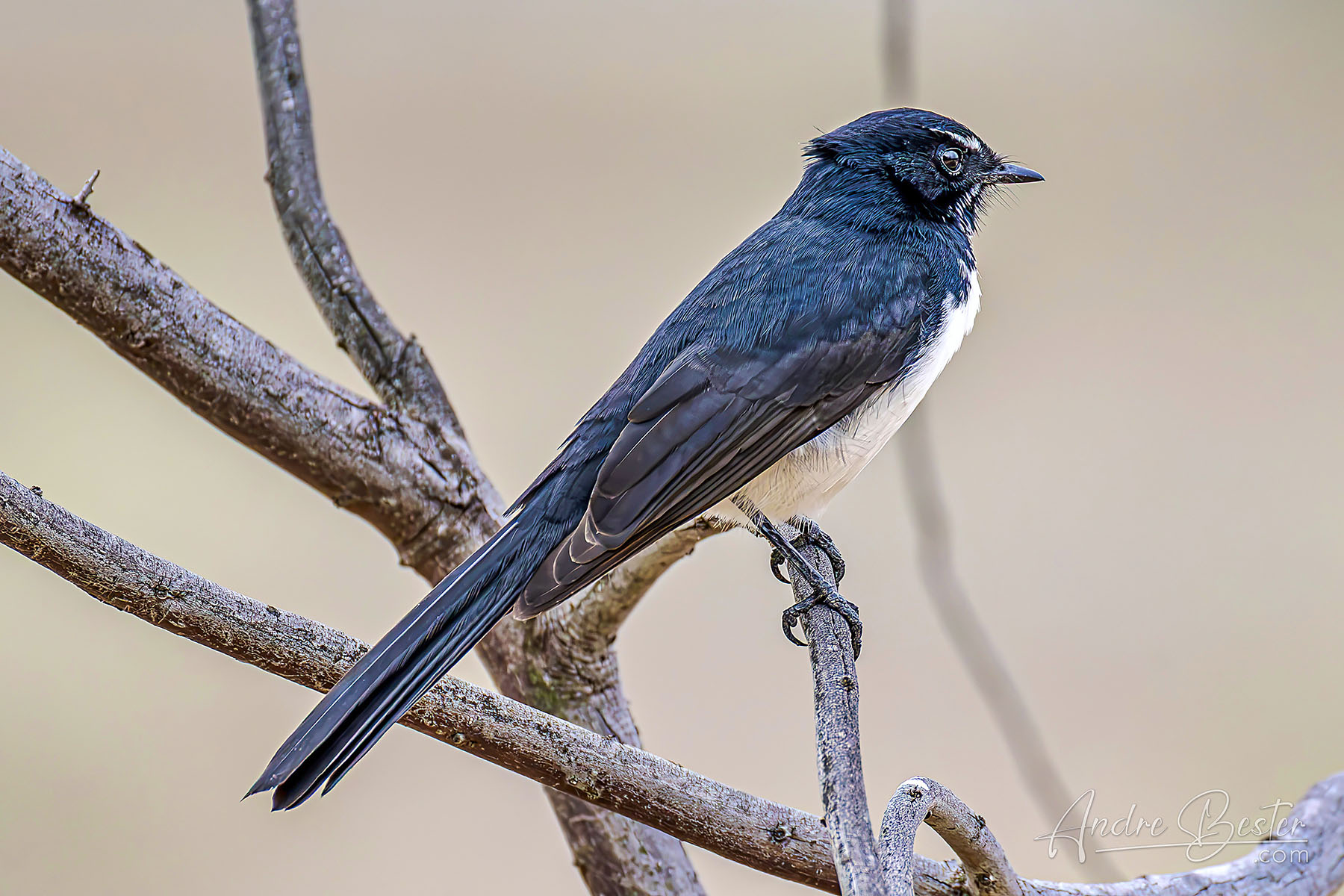
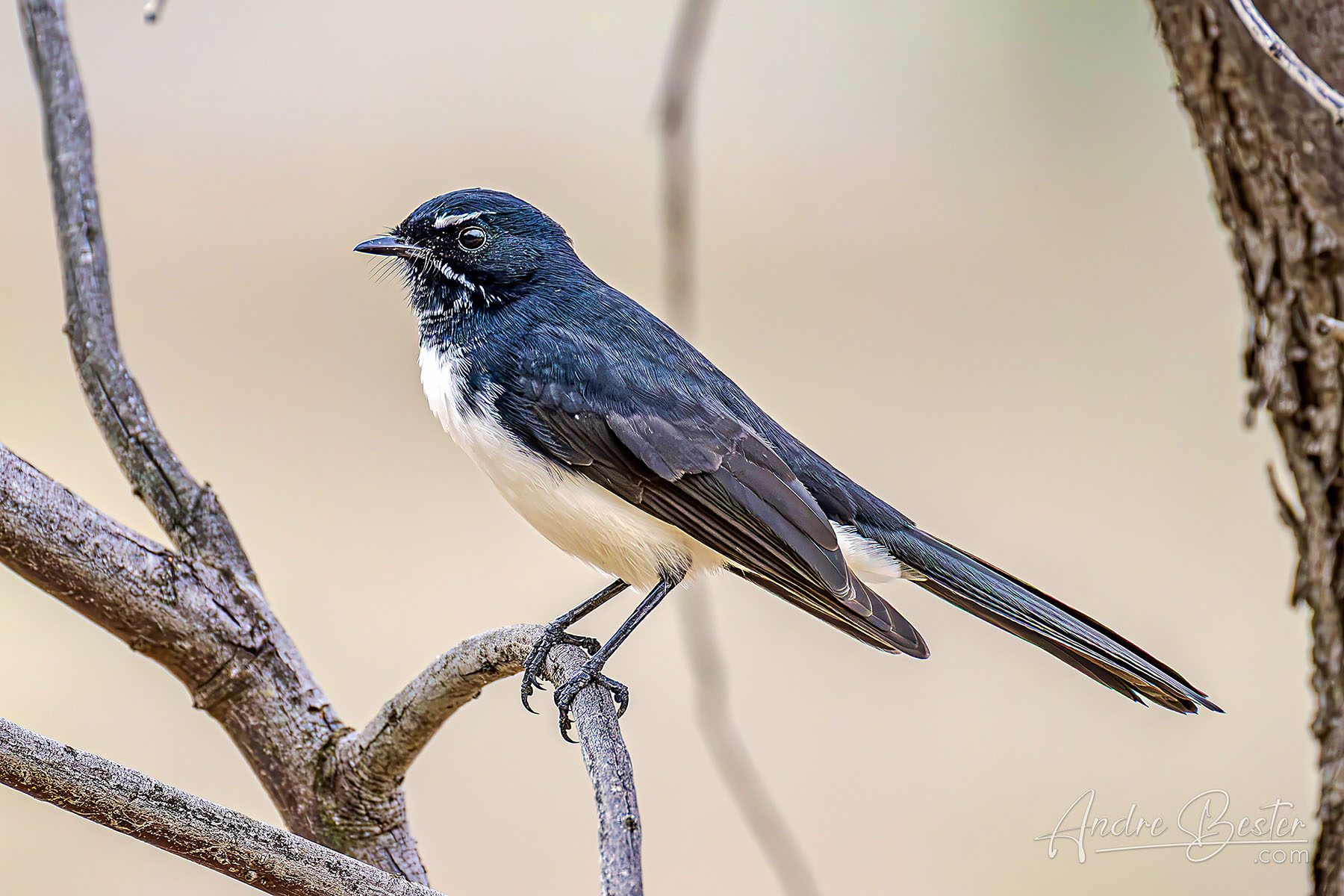
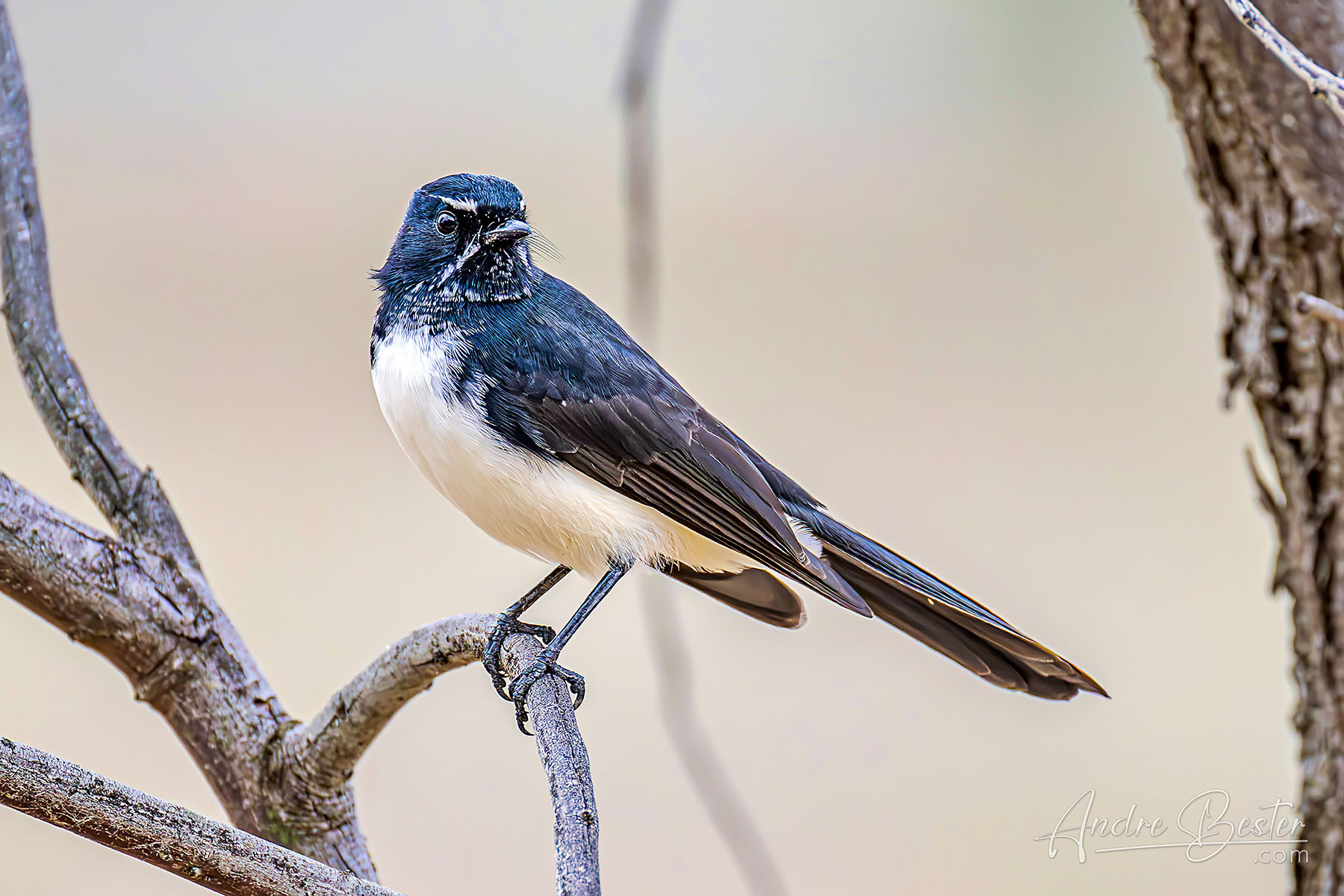
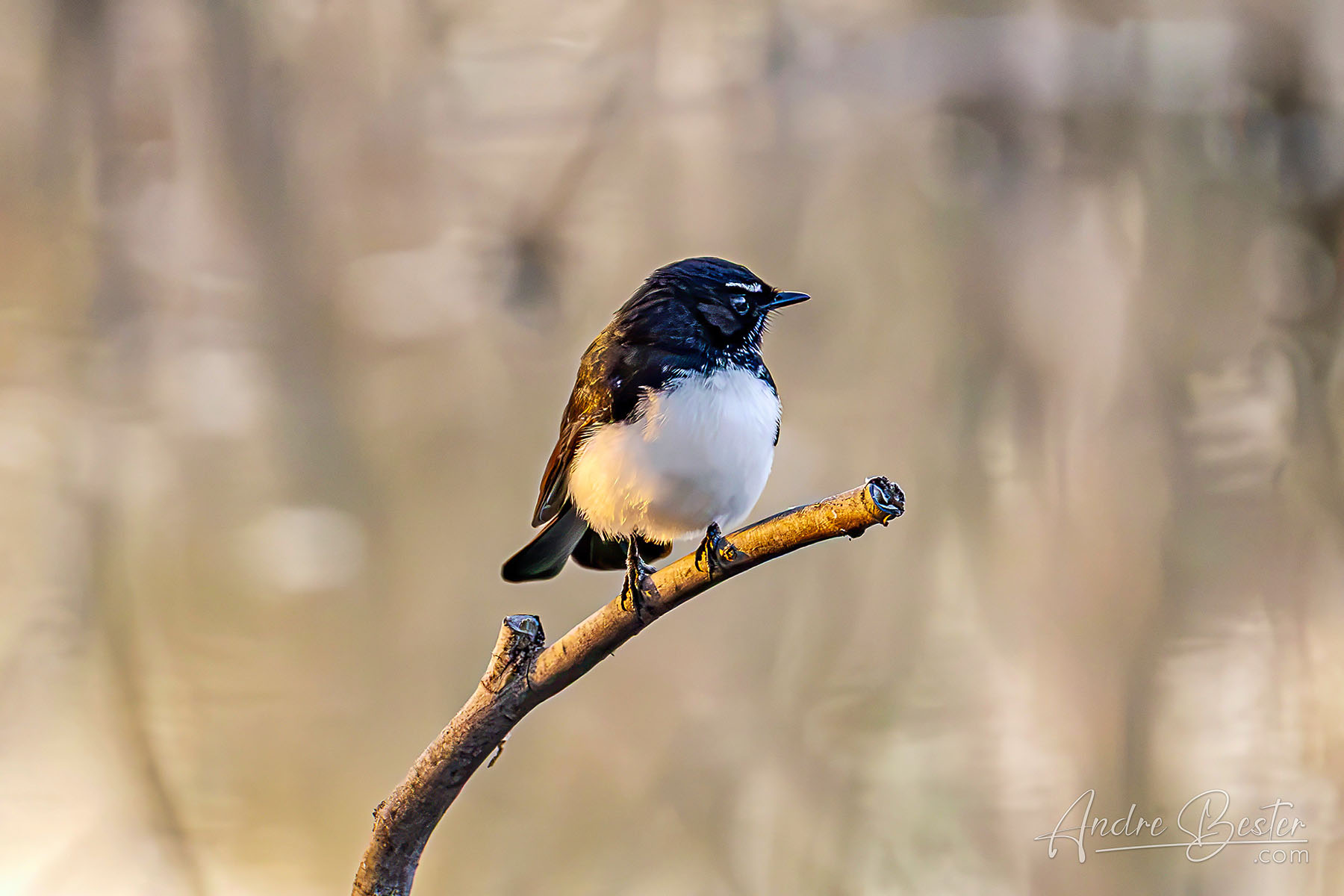
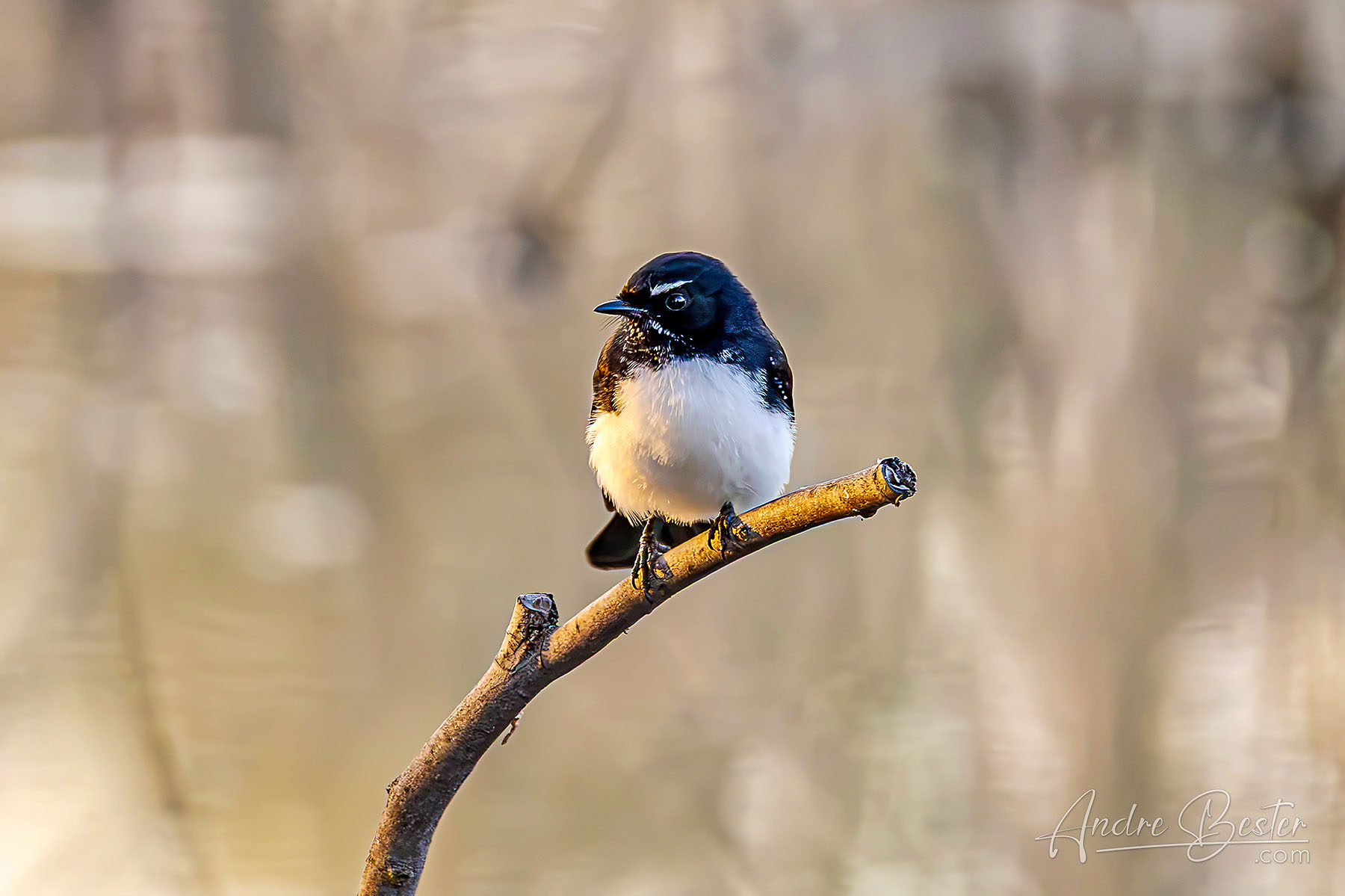
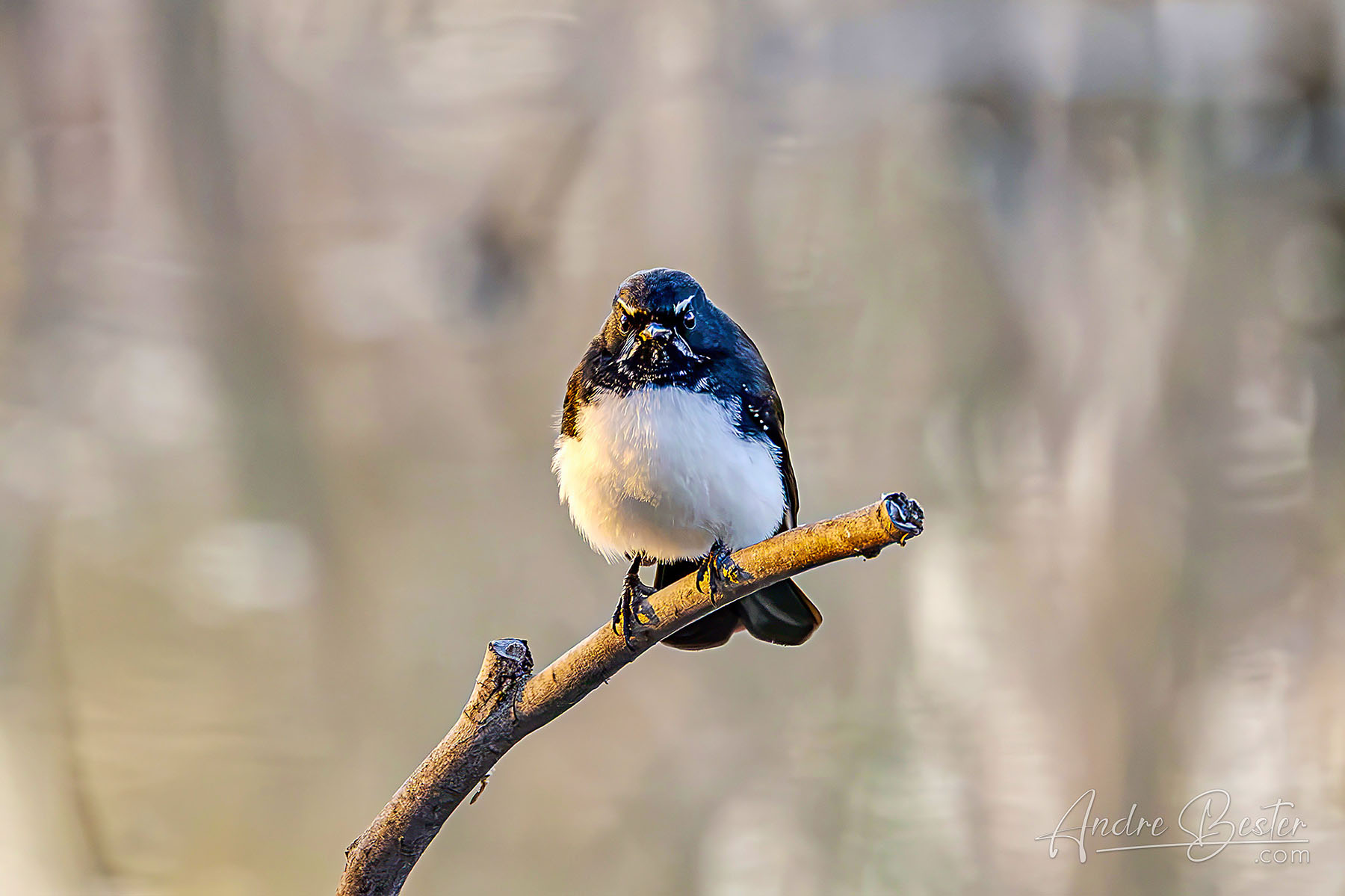
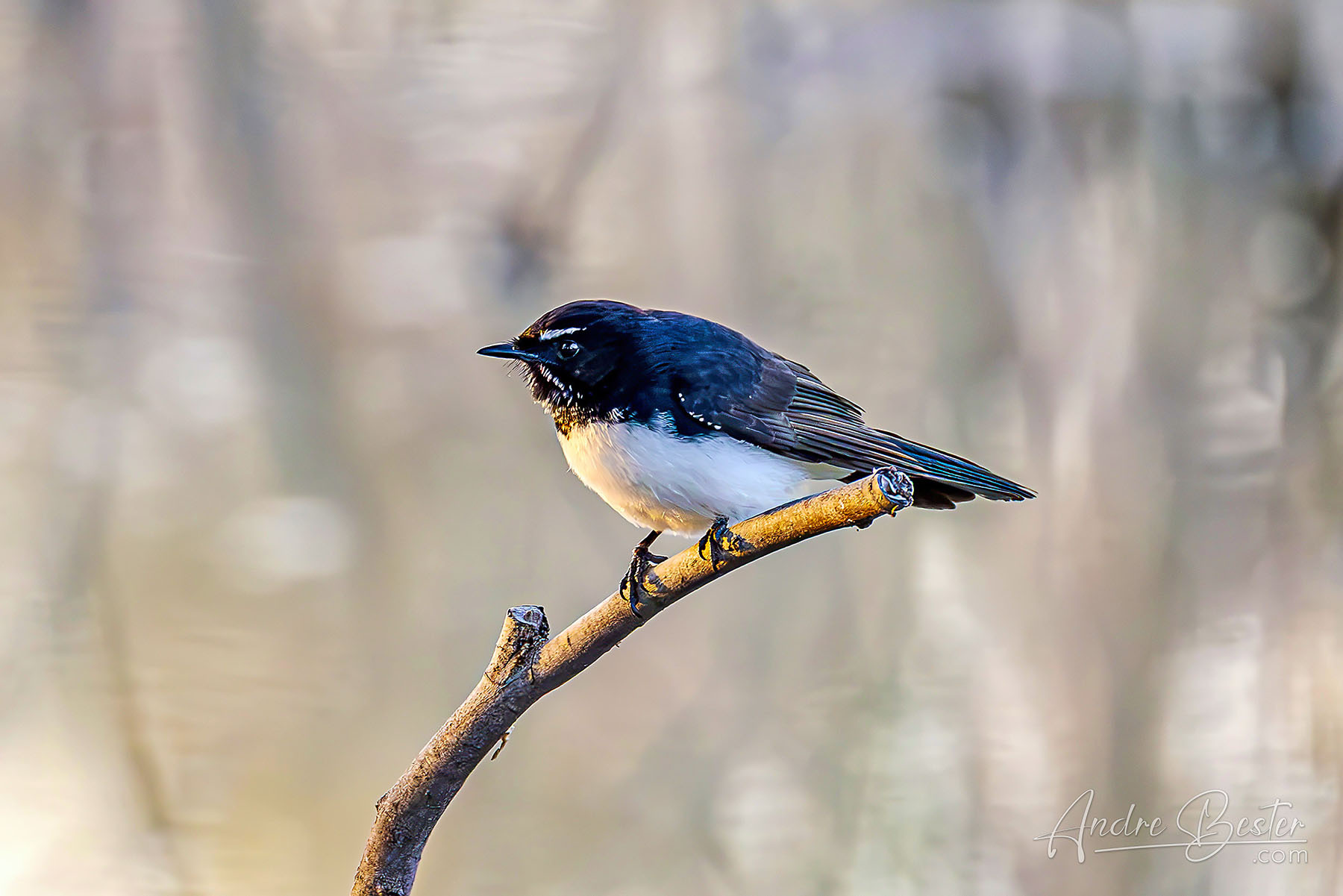
The Willie Wagtail is a small bird native to Australia and parts of the surrounding region. It is recognized by its black-and-white plumage and long tail, which it often moves from side to side. Willie Wagtails feed mainly on insects, catching them on the ground or in flight. They are commonly found in parks, gardens, farmland and open areas.
The Yellow-faced Honeyeater is a bird native to eastern Australia. It is recognized by the yellow markings on its face and is often found in forests, woodlands, parks and gardens. The species feeds mainly on nectar, insects and other small invertebrates, moving through trees in search of food. Yellow-faced Honeyeaters may travel in flocks and move between areas as food sources change.